The 50-Year Mortgage: A New Path to Affordability or a Long-Term Financial Risk?

President Trump’s recent suggestion of a 50-year mortgage has sparked some conversation in the housing market. For first-time buyers and those feeling priced out, the idea of a lower monthly payment is appealing. But what exactly would a 50-year mortgage look like? And how does it compare to the long-standing 30-year fixed mortgage?

A 50-year mortgage would extend home loan repayment to 600 monthly payments, compared with the 360 payments of a traditional 30-year mortgage. The main goal behind this proposal is to make monthly payments more manageable by spreading the loan over a longer period, potentially making homeownership feel more accessible. However, it’s important to note that at this time, a 50-year mortgage is only hypothetical in the U.S. Major government-backed lenders like Fannie Mae and Freddie Mac do not offer loans longer than 30 years, and widespread availability would require changes in federal regulations.

When evaluating any mortgage, it’s crucial to balance the short-term benefit of a lower monthly payment against the long-term cost of interest and the speed at which you build equity—the portion of your home you actually own.

50-Year vs. 30-Year Mortgages: Pros and Cons

Monthly Payment: A 50-year mortgage offers a lower monthly payment, making it easier to qualify and freeing up cash flow. The 30-year mortgage requires a larger monthly budget but allows equity to grow faster.

Total Interest Paid: Stretching a mortgage to 50 years means paying interest for two extra decades, potentially nearly doubling the total interest over the life of the loan. A 30-year loan results in much lower total interest.

Equity Growth: With a 50-year term, early payments go mostly toward interest, so equity builds very slowly. In contrast, a 30-year mortgage allows equity to grow steadily, helping homeowners build wealth faster.

Long-Term Risk: A 50-year mortgage ties you to debt for half a century. If home values fall, slow equity growth increases the risk of owing more than the home is worth. A 30-year term reduces long-term exposure and aligns better with retirement planning.

Interest Rate: Longer-term loans generally carry higher interest rates to compensate lenders for increased risk. A 30-year mortgage typically has a lower rate than a hypothetical 50-year option.

To illustrate, here’s a comparison based on a $450,000 home with a $390,000 loan:

These numbers show that while the monthly payment difference may seem attractive, the total cost over the life of a 50-year loan is substantially higher. Actual payments could vary depending on interest rates, and many homeowners refinance or move before 30 years, which would alter the long-term impact.

Currently, the 30-year fixed-rate mortgage remains the standard in the U.S., and loans longer than 30 years are rare and usually private, with stricter requirements. For most buyers, especially those likely to move or refinance within a decade, a shorter-term mortgage is a more effective tool for building generational wealth. A 50-year mortgage may make it easier to “get in the door,” but staying there comes at a substantial financial cost.

If you’re planning to start your homebuying journey now or into early 2026, please reach out. I’ll help you get prepped and positioned so you can move quickly and confidently to find your dream home.

Let’s chat.


Home Improver: Prep Your Winter Tools Now

Don’t wait for the first big snowfall to discover your snow blower won’t start or your shovel blade is dull. A little prep now will save you time, effort and possibly an expensive repair in the middle of a New England storm.

1. Tune-Up Your Snow Blower

Your snow blower is the most complex piece of equipment and requires the most attention:

  • Fuel First: Empty any stale, old gasoline. Refill with fresh, good-quality gasoline and add a fuel stabilizer to ensure easy starting.
  • Change the Oil: If you have a 4-cycle model (separate fuel and oil), replace the engine oil now to protect the engine.
  • Inspect and Lubricate: Check the drive belt for wear. Lubricate the auger shaft and bearings to prevent seizing.

2. Sharpen Your Shovels and Scrapers

A sharp, clean edge makes snow removal significantly easier, especially for scraping hard-packed snow and ice.

  • Sharpen the Edge: Use a metal file to put a slight angle on the front of the blade. This helps the blade slice through snow and ice more effectively.
  • Prevent Sticking: Spray the metal blade with a coat of silicone lubricant or a quick wax. This helps the snow slide off instead of sticking, making the job lighter and protecting the metal from corrosion.

3. Prep Your Ice Melt Supplies

Having the right ice melt on hand protects your family from slips and your property from damage.

  • Choose Wisely: Remember that common Rock Salt (Sodium Chloride) stops working effectively at about 20º F and can damage concrete and pet paws. Consider a safer alternative like Magnesium Chloride or the environmentally friendly Calcium Magnesium Acetate (CMA).
  • Buy Early and Store: Stock up now before the first big rush and store your supplies in a dry, accessible container.

Celebrating 25 Incredible Years of Westchester Mortgage. Thank You!

October marks a special occasion for me: the 25th anniversary of the founding of my company, Westchester Mortgage!

Looking Back

A quarter-century in business is a major milestone. As I reflect on the years past, I’m filled with gratitude for all the clients I’ve had the honor of helping finance their biggest asset. My work has always been about guiding you through one of the most significant financial decisions of your life.

The one constant has been the fluctuating 30-year fixed mortgage rate. From the aftermath of 9/11 to the Great Recession. From historic lows during the pandemic to the recent battle against inflation. Virtually every major economic and world event has had a direct impact on your borrowing costs and purchasing power.

I thought it might be interesting to look back at mortgage rates since 2000, tying these changes to the historical events that drove them.

How many of these events do you remember?

Looking Ahead

As the table above shows, mortgage rates are not static; they are a direct reflection of the global and domestic environment. Over the last 25 years, I’ve personally helped clients through times that were a little scary. But the most important lesson I’ve learned is that even the most frightening global events are often followed by periods of economic change and new opportunity.

The fact that the current rate has eased to 6.17% shows that the market is always moving and new windows of opportunity are always opening. This recent drop, supported by the Federal Reserve’s decision to cut interest rates in late October, is a significant shift from the 2023 average of 6.81%. This shows that positive changes are happening right now.

While we can’t predict the future, we know that these changes are part of the natural cycle of the market. Rather than fearing uncertainty, let’s approach it with the confidence that comes from experience and preparation.

My promise to you, as my valued customer, is that I will continue to be here, just as I have for 25 years, to provide the focused, expert guidance you need to navigate whatever the next chapter of the housing market brings. We’ll ride the cycles together.

If you’re planning to start your homebuying journey now or into early 2026, please reach out. I’ll help you get prepped and positioned so you can move quickly and confidently to find your dream home.

Let’s chat.


Home Improver: Leave the Leaves for a Better Lawn with Mulch Mowing

Here’s a tip: Skip the back-breaking raking and the endless yard waste bags. Your leaves are a free, natural fertilizer and a secret weapon for a healthier lawn. By chopping your fallen leaves into dime-sized pieces right on the grass using your lawnmower, you are practicing what’s known as mulch mowing.

As these tiny pieces settle into the turf, they decompose over the winter, returning valuable nutrients like nitrogen and phosphorus back to your soil. This simple practice helps improve soil structure, suppresses early spring weeds like dandelions, and significantly reduces the amount of expensive fertilizer you will need next spring.
Beyond the benefits to your lawn, mulch-mowing is the responsible choice for the planet. When leaves are raked, bagged, and sent to a landfill, they take up unnecessary space and decompose without oxygen, which releases methane (a potent greenhouse gas) that contributes to climate change.

By using your mower to return the leaves to the soil, you avoid contributing to landfill waste, save money on bags and disposal fees, and provide a vital habitat for those beneficial insects and microorganisms that keep your yard healthy.

Important: Be sure you can still see at least half of the grass through the shredded layer of leaves (see image above) to prevent smothering the turf.

Buyer Alert: Recent Rate Cut Reenergizes Market

The Federal Reserve recently trimmed interest rates by 0.25 percent and signaled that two more cuts could be coming soon. This move has injected fresh optimism among prospective homebuyers.

With the softer monetary environment, more inventory is starting to come onto the market. What was once a highly constrained, competitive landscape is gradually shifting toward a more balanced dynamic between buyers and sellers. This is good news after so much market stagnation.

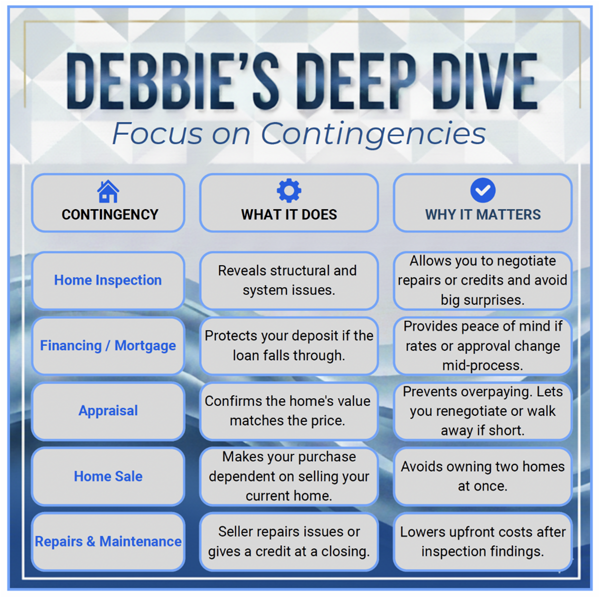
In past years, buyers often felt compelled to compete harder than they had imagined. They went beyond their comfort zones waiving inspections, minimizing contingencies, and accepting unfavorable terms just to get in the door. In the emerging market landscape, however, buyers are regaining the ability to ask for what they need, with less risk of being pushed aside.

Sellers may now be more willing to consider price reductions, repair credits and other concessions, especially on homes that have lingered on the market far too long. Buyers can also reintroduce conditions that were once routinely waived.

When negotiating a home purchase today, these contingencies can help protect you. Let’s take a closer look.

Because rising inventory is easing the intense competition of the past few years, buyers no longer have to rush or waive protections just to be considered. This gives them a bit more leverage when making offers.

To use this moment wisely:

  • Stay realistic and strategic about your budget.
  • Make strong offers with key protections.
  • Work closely with an experienced agent.
  • Be ready to adapt as the market shifts.
  • Move before the next wave of buyers returns if rates fall again.

If you’ve been waiting on the sidelines and plan to start your homebuying journey at the end of October or into early 2026, reach out to me now. I’ll help you get prepped and positioned so you can move quickly and confidently when the right home finds you.

Let’s chat.


Home Improver: Clear Your Gutters Now to Avoid Ice Dams This Winter

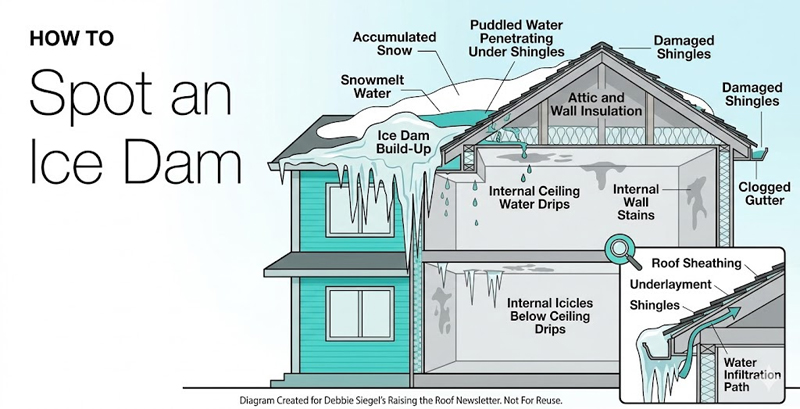
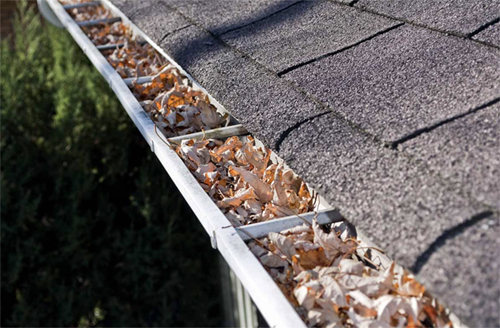
Leaves are changing colors (beautiful) and falling fast (grab a rake). If they’re clogging your gutters, trouble is brewing. Blocked gutters trap melting snow, which can refreeze and create ice dams. Those icy ridges force water back under shingles and into ceilings and walls. You know what comes next: leaks, rot, mold and costly repairs.

Let’s stay ahead of this. Here’s your checklist:
  • Scoop out debris. Wear gloves and use a small scoop or trowel to remove leaves and twigs.
  • Flush with a hose. Run water through each section until it flows freely.
  • Check downspouts. Make sure water exits several feet from your foundation; add extensions if needed.
  • Inspect for damage. Look for sagging, leaks at joints, or loose fasteners and fix them while it’s still mild.
  • Stay safe. Use a sturdy ladder and work with a partner. Hire a pro if your roof is steep or high.

A quick cleanup now can save you thousands of dollars and a lot of stress when the first heavy snow hits.


Viral Video: Speaking of Roof and Gutter Safety

Here’s a funny commercial from 2008 that shows the pitfalls of not hiring a professional to take car of your gutter and roof repair.

View YouTube Video

Mortgage Rates Dip to Lowest of 2025

Mortgage rates have been trending down, hitting new year-to-date lows after Federal Reserve Chair Jerome Powell suggested at the Jackson Hole Economic Summit that the labor market may be a bigger focus than inflation.

Rates have been dipping since early August, and according to Mortgage News Daily, the average 30-year fixed rate dropped 10 basis points today to 6.52%.

That’s good news for anyone patiently watching the housing market. Historically, when rates dip from the mid-6.6% range toward 6%, we see stronger housing activity and a pickup in purchase applications. Year-over-year purchase application numbers have been solid in 2025, but the week-to-week growth has been sluggish in this challenging time. If rates can hold closer to 6%, we could see 12 to 16 weeks of positive momentum, just like in past cycles.

Here’s the big picture. There’s still plenty of uncertainty ahead, with labor data, Fed moves, and broader economic headlines in play. But for buyers and refinancers, lower rates open a window of opportunity that we haven’t seen in months.

If you’ve been waiting on the sidelines, now is the time to reach out. I can walk you through your options, explain how today’s rates affect your buying power, and help you make the right move for your situation.

Don’t wait too long. Markets move fast. The best way to be ready is to get started now.

Let’s chat.


Viral Video: Funhouse or Fun House?

You’ve never seen a home remodel like this! This video has been viewed more than 3.3 million times.

View YouTube Video


Home Improver: Reverse Your Ceiling Fan for Fall

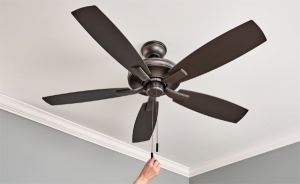
Did you know your ceiling fans can help lower heating costs? Most people think of ceiling fans as a summertime necessity, but they can actually help you stay warmer in the cooler months, too. The secret is in the small switch on the motor housing that changes the blade direction.

In summer, fans spin counterclockwise to push cool air down. But once fall arrives, flip the switch so the blades spin clockwise at a low speed. This creates a gentle updraft, which pulls cool air up and pushes warm air back down along the walls. This circulates heat that would otherwise collect near the ceiling.

Do this and your rooms will feel cozier. Your heating system won’t have to work as hard, and you might even see a dip in your energy bill. It’s a quick, no-cost adjustment that can make your whole home more comfortable this season.

I Was at THAT Coldplay Concert and It Got Me Thinking About Mitigating Risk

A few photos I took from the show on July 16 at Gillette.

Yup, that concert. The one that’s been all over the news. The CEO, the HR director, the kiss cam, the fallout. I was there, and let me tell you, no one was quite sure what was going on in the few seconds they were on camera. But Chris Martin, Coldplay’s frontman, unwittingly called them out for their affair in front of 50,000 fans at Gillette Stadium.

It was one of those moments you won’t forget. Those two certainly won’t. And not in a good way.

It also got me thinking: risky behavior (and risky business) can have serious consequences, especially when you’re thinking in the moment and not the long-term. And that’s true not just in a packed stadium, but at home with your mortgage.

One of the riskiest moves? Adjustable-Rate Mortgages (ARMs). They might seem smart early on with the lower rate and lower payment. But when that fixed period ends, the rate can jump significantly. And if your circumstances have changed since you first signed the mortgage agreement, that jump can really hurt.

Over the years, I’ve worked with homeowners who’ve faced:

  • Job changes or layoffs
  • Major health issues
  • Divorce
  • Business downturns
  • Shifts in income or retirement plans

Any one of those can turn a manageable payment into a stressful situation fast.

With all the economic uncertainty these days, it’s worth taking a second look at your mortgage strategy. Sometimes, playing it safe is the smartest move of all.

A little planning now can help you avoid your own kiss cam moment—metaphorically speaking, of course.

* * * * *

Ready to buy a new home or refinance the one you own? Please get in touch and I’ll be happy to answer your questions and help guide you through the process. I look forward to speaking with you.


Looking for a little summer magic next month?

The Perseid Meteor Shower is back. It’s one of the best celestial shows of the year.

It peaks around August 11–13, but with a nearly full moon that week, your best chance for spotting a shooting star might actually be in early August, especially after midnight.

You don’t need a telescope or fancy equipment. Just find a dark spot, give your eyes 20–30 minutes to adjust, and look up.

Bonus points if you’re out on the Cape, in the Berkshires, or anywhere far from the city lights.

For tips on when and where to watch, check out this Meteor shower viewing guide.


Home Improver: Breathe Easier and Save Energy with Simple HVAC Tips

Summer’s here, and your air conditioner is working overtime. So give it a helping hand.

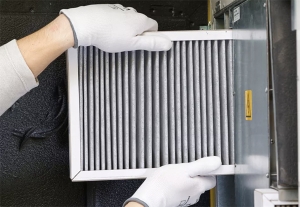
Did you know that experts recommend changing your HVAC air filter every 1–3 months?

  • Basic guideline: swap pleated filters every 90 days
  • With pets or allergies: every 60 days (or even monthly)

Clean filters deliver big benefits:

  • Improved airflow and cooling
  • Lower energy bills
  • Better indoor air quality
  • Extended HVAC lifespan (15–20 years with regular changes)

Bonus tip: Uncover energy savings under the fridge

Dust bunnies hiding behind or beneath your refrigerator can make it work much harder. Clearing out dust from the coils or underside can reduce energy usage by up to 25%.

These simple efforts can meaningfully improve your summer comfort while cutting utility costs. Best of all, they’ll help you breathe easier.

Do You Have a Mortgage Plan?

You Should Review Your Mortgage Plan Soon. Here’s Why.

You have a financial plan.
Maybe an estate plan.
Possibly life insurance, too.

But do you have a mortgage plan?

Most people set up their mortgage and never think about it again. But a mortgage is a long-term part of your financial life. It deserves regular attention.

Think about it. You revisit your finances and insurance when things change. Your mortgage should get the same review.

Here are three opportunities to review your mortgage plan:

1. Life Events
Marriage, growing your family, divorce, or preparing for retirement often change your financial priorities. Your mortgage should reflect that.

2. Changes in Income
A new job, raise, job loss, or side income can impact your ability to borrow or pay off your mortgage more effectively.

3. Regular Check-Ins
Even if nothing big has changed, reviewing your mortgage every year helps you stay on track and spot new opportunities. For example, one of my clients may discover she has enough equity to drop her mortgage insurance, which could save her nearly $200 a month. Another might realize her adjustable-rate mortgage is about to reset. A mortgage plan review would give her time to refinance before her payment increased.

These check-ins are quick and easy, and they can make a big difference over time.

What does your mortgage plan review involve?

  • Rate Check: Could you get a better interest rate?
  • Equity Check: Has your home gained value, and could that equity serve another purpose?
  • Product Check: Is your current mortgage still aligned with your goals?

Your mortgage needs to work for your future, not just your past.

Let’s set up a quick review. I’ll walk you through it and help you make sure your mortgage is still the right fit.

* * * * *

Ready to buy a new home or refinance the one you own? Please get in touch and I’ll be happy to answer your questions and help guide you through the process. I look forward to speaking with you.


Summer Solstice

It may not feel like summer yet with cool weather and more rainy days than anyone needs. Nevertheless, the summer solstice, arriving this year on June 20, is the official kickoff of summer.

Solstice has been celebrated for thousands of years across nearly every culture. It marks the longest day of the year, when the sun reaches its highest point in the sky and daylight stretches to its fullest.

Ancient civilizations treated the solstice with great respect. In England, Stonehenge was likely aligned with the rising sun on the solstice, and people still gather there each year to welcome the light. In Scandinavia, Midsummer festivals with bonfires and maypoles are still popular.

The ancient Egyptians even timed the construction of their pyramids around the sun’s position at solstice.

It’s a time to pause, enjoy the extra daylight, and reconnect with the natural rhythms that have guided people for millennia. Happy summer!


Home Improver: Why Do My Squished Ants Smell Funny?

As you know from reading this section, from time to time we turn to science to better understand our homes. More important, we don’t shy away from the burning questions that keep homeowners like you up at night.

So let’s dive into the reason why some ants smell when you squish ’em.

If you’ve ever squashed a tiny intruder and caught a whiff of lemony furniture polish or Windex, congratulations — you’ve likely met (and murdered) the citronella ant. These ants can be pale yellow and release a citrusy odor when crushed, which is a natural defense mechanism. In ant terms, it’s basically, “You may have won the war, but you’ll never forget me.”

Despite the fancy fragrance, citronella ants are pretty harmless. They don’t sting, bite, or raid your pantry. They mostly just hang out underground, but some drop by to say hello if water is pooling anywhere in your home. Even a small amount of water collecting on a windowsill will attract them.

Now, before you go around sniffing every ant in your kitchen, know that not all odorous ants are created equal. Enter the odorous house ant: same idea, way worse smell. Think rotten coconut instead of lemon zest. Definitely not a candle scent you’ll see at HomeGoods.

So next time you notice a weird smell after a squish, you’re not losing your mind, you’re just experiencing one of nature’s weirder party tricks.

The more you know!

Mortgage Rates Have Dropped Below 7%—How You Could Actually Pay More for Your Home

For the first time this year, mortgage rates have dipped below 7%, and are now sitting at 6.75%. While this may sound like a great opportunity to save, the reality is that low housing inventory is keeping prices high. Even as rates fluctuate, the cost of available homes continues to climb.

Why Waiting Could Cost You More

Many buyers hold off on purchasing in hope for even lower interest rates. But here’s the catch: home prices are still rising. If you wait for rates to drop further, you could still end up paying more for the same house. Even with a slightly better rate, a more expensive home could mean a higher monthly payment overall.

The Power of Buying Now

In a previous newsletter we talked about the phrase, “You date the rate, but marry the house.” This means your mortgage rate isn’t forever—you can always refinance when the time is right. But the price you pay for a home today locks in your cost before prices climb even higher.

Here’s why taking action now can be a smart financial move:

  • Start building equity sooner – Every mortgage payment helps you own more of your home, rather than paying rent with nothing to show for it.
  • Secure your home at today’s price – Even if rates decrease, rising home prices could offset those savings. Buying now gets you in the market before homes become even less affordable.
  • Refinancing is always an option – If rates go down significantly, you can refinance to take advantage of lower payments in the future.

Let’s Talk About Your Options

If you’re thinking about buying a home, the best move is to understand your financing options now. Let’s meet and discuss what’s possible for you. Debbie can help you find the right mortgage solution so you can move forward with confidence.

Call Debbie today to get started!

* * * * *

Ready to buy a new home or refinance the one you own? Please get in touch and I’ll be happy to answer your questions and help guide you through the process. I look forward to speaking with you.


What’s In a Word?

We New Englanders may have just survived the “dead of winter,” but did you know that the word “mortgage” literally means “death pledge”?

While it sounds ominous, the term comes from Old French and Latin roots. “Mort” meaning death and “gage” meaning pledge or commitment.

It originally referred to a loan that “died” once it was fully paid off or foreclosed.

Thankfully, modern homeownership isn’t nearly as grim. Instead of a lifelong burden, a mortgage is an investment—a path to building equity, stability, and financial growth.

Now as the snow melts and spring markets heat up, it may be time to embrace a mortgage for what it truly is: a long-term commitment to something worth holding onto.


Home Improver: What Are Silverfish and How Do We Get Rid of Them?

If you’ve ever flicked on a light and spotted a shiny, fast-moving, wriggling insect darting across the floor, chances are you’ve encountered a silverfish. These prehistoric pests have been creeping around for over 400 million years—and unfortunately, they don’t mind making themselves at home in yours.

What Are Silverfish?

Silverfish are small, wingless insects with slender, teardrop-shaped bodies covered in silvery scales. They move with a distinctive, wiggling motion—almost like a fish swimming—hence the name. (You didn’t really think they were fish, did you? Fine, maybe we did too.) Typically, they measure around ½ to ¾ of an inch long, with long antennae and three bristle-like appendages sticking out of their tails, making them look even more unsettling.

Why Are They So Gross?

Let’s be honest—silverfish aren’t just pests, they’re nightmare fuel. Their metallic sheen, eerie movements and tendency to scurry out of dark corners make them a deeply unwelcome sight in any home. And because they thrive in damp, dark places, you’re most likely to find them in bathrooms, basements, closets and attics—often lurking in bookshelves, pantries, or even your favorite old photo albums.

How Do You Get Rid of Silverfish?

Let’s face it. Silverfish are survivors, and they can live for years while feasting on everything from paper and glue to clothing and food crumbs. The good news? There are several effective ways to get rid of them:

  1. Reduce Humidity: Silverfish love moisture, so use a dehumidifier in damp areas like basements, bathrooms, and laundry rooms. Fix any leaky pipes or faucets to cut off their water supply.
  2. Declutter & Seal Up Food Sources: These pests feed on starches, including books, wallpaper glue, cardboard, flour, and even sugar. Store food in airtight containers, vacuum regularly, and avoid leaving piles of paper or cardboard boxes sitting around.
  3. Use Natural Repellents: Diatomaceous earth (DE) is a natural powder that kills silverfish by dehydrating them. Sprinkle it along baseboards, in cabinets, or in other problem areas. Cedar shavings, cinnamon, and citrus peels can also deter them.
  4. Set Traps: Sticky traps work well for capturing silverfish. You can also make a DIY trap using a jar with a starchy bait (like flour or cereal) and wrap the outside in tape. They’ll crawl in but won’t be able to climb back out.
  5. Call Pest Control If It’s Bad: If you’re dealing with a full-blown infestation, professional exterminators can help eliminate silverfish for good.

Good Riddance

Once you’ve gotten rid of silverfish, prevent their return by keeping your home dry, clutter-free and well-sealed. Store books, documents, and seasonal clothing in plastic bins instead of cardboard. Vacuum regularly to remove crumbs and dust that might attract them.

FICO® Scores and Credit Ratings: What They Mean for Your Mortgage

When it comes to your credit, it’s important to understand the difference between credit bureau ratings and FICO scores—two critical components in determining your mortgage eligibility. While they’re related, they serve different purposes and are calculated differently.

  • Credit Bureau Ratings: These come from the three major credit bureaus—Equifax, Experian, and TransUnion—which collect and maintain your credit history. They don’t assign a specific “rating” themselves but provide the raw data (like payment history, balances, and account age) that lenders and scoring models use.
  • FICO Scores: FICO stands for Fair Isaac Corporation. These are specific credit scores calculated using your credit data from the bureaus. FICO uses its proprietary algorithm to evaluate your creditworthiness on a scale of 300 to 850, with higher scores indicating lower credit risk.

While credit bureau reports summarize your financial activity, FICO scores are what lenders typically rely on to assess risk and determine mortgage terms.

FICO Score Versions: What You Need to Know

FICO scores come in multiple versions, including FICO 8, FICO 9, FICO 10, and FICO 10T:

  • FICO 8: Most widely used, focusing on credit card utilization and ignoring small collection accounts under $100.
  • FICO 9: Adds improvements like reduced impact of medical debt and factoring in rental history (if reported).
  • FICO 10/10T: Introduced in 2020, with FICO 10T analyzing “trended data” over 24 months to assess long-term credit behavior.

Note: Mortgage lenders often rely on older FICO models, like FICO 2, 4, or 5, specific to each credit bureau.

FICO Score Ranges and What They Mean

FICO defines its score ranges as follows:

  • 300–579: Poor
  • 580–669: Fair
  • 670–739: Good
  • 740–799: Very Good
  • 800–850: Exceptional

Lenders pull reports from all three bureaus, and your FICO score determines how attractive your loan terms will be. Scores in the good range (670–739) qualify for most mortgages, while very good (740–799) and exceptional (800–850) scores unlock the best rates and terms.

Why It Matters

Understanding the distinction between credit bureau data and FICO scores is crucial for preparing your mortgage application. A strong FICO score based on reliable bureau data can save you thousands of dollars in interest over the life of a loan. To improve your score, pay bills on time, keep balances low, and monitor your credit reports for errors.

Credit Card Score Services and Free Credit Reports

Many people monitor their credit scores using free services like Credit Karma, which provide access to your credit data and scores based on the VantageScore model. While these tools are helpful for tracking changes in your credit and identifying potential issues, they may not use the FICO scoring model, which is the one most mortgage lenders rely on.

Additionally, under federal law, you are entitled to one free credit report annually from each of the three major credit bureaus—Equifax, Experian and TransUnion—through AnnualCreditReport.com. This report does not include your FICO score but provides a detailed look at your credit history to help you spot inaccuracies or signs of fraud.

If you want to access your FICO score, some banks and credit card issuers offer it for free to their customers, or you can purchase it directly from FICO’s website. There is a free option but it is limited to only one bureau.

* * * * *

Ready to buy a new home or refinance the one you own? Please get in touch and I’ll be happy to answer your questions and help guide you through the process. I look forward to speaking with you.


Happy Thanksgiving

As Thanksgiving approaches, it’s the perfect time to pause and reflect on the things that bring warmth and meaning to our lives.

  • Gratitude isn’t just about the big milestones, although they are certainly worth celebrating.
  • Thanksgiving is also in the small, everyday moments we sometimes take for granted: a kind word, a shared laugh or the simple comfort of being with those we care about most.
  • Let this season be a reminder to cherish what we have, appreciate those around us, and carry a spirit of thankfulness into every day.

Wishing you and your loved ones a warm and joyful Thanksgiving!


Home Improver: 5 Ways to Fix Drafty Doors and Windows Without Spending a Fortune

Drafty doors and windows can make your home chilly and drive up energy bills. But you don’t need to break the bank to solve this problem. Here are five affordable and effective ways to keep the cold air out:

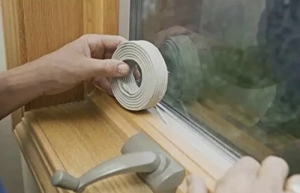
  1. Weather Stripping: Apply adhesive weather-stripping tape around door and window frames. This simple solution seals gaps and stops drafts, making your home more energy-efficient.
  2. Draft Stoppers: Use draft stoppers or “door snakes” at the base of doors to block cold air from creeping in. You can even make your own using fabric tubes filled with rice or sand.
  3. Window Film Kits: Install insulating window film kits for a quick fix. These films create a barrier against drafts and are easy to apply with a hair dryer.
  4. Thermal Curtains or Drapes: Hang thick, insulated curtains or drapes over windows to block drafts and keep the warmth inside. They’re a stylish and functional way to improve energy efficiency.
  5. Rope Caulk: Seal small gaps in older windows with rope caulk, pictured above. It’s pliable, easy to apply, and can be removed without damage once the weather warms up.

With these simple and cost-effective methods, you can stay cozy while cutting down on energy costs. A few small changes can make a big difference!

How Our Next President Could Impact the Housing Market

The 2024 presidential election could affect mortgage rates and the housing market through new policy approaches. Even though the Federal Reserve remains the primary influence on interest rates, our next president’s economic and housing strategies could have an impact on housing supply, regulations and affordability.

This has been a stressful election cycle for many, so we’ll leave the names out and focus on what could help or hinder homebuyers in 2025.

If the Democratic candidate wins: Housing initiatives would likely focus on affordability and supply, with a commitment to build three million new homes over four years. This approach aims to alleviate housing shortages and address affordability concerns. Additional down payment assistance programs may also encourage homebuying. However, stimulating demand without fully addressing supply constraints could keep home prices elevated in the short term, particularly if construction timelines are delayed.

If the Republican candidate wins: Deregulation may be prioritized to encourage housing development and reduce construction costs. Policies might include easing restrictions on land use and incentivizing builders to increase housing stock, which may relieve supply issues more directly. Potential changes to government-backed mortgage entities, such as Fannie Mae and Freddie Mac, might also impact lending terms, depending on shifts in oversight. While this approach seeks to promote market-driven solutions, the implications for affordable housing programs could vary based on broader economic conditions​.

Remember to cast your vote! In addition to the presidential election, Massachusetts also has an important senate race and ballot questions to be voted on. Early voting is open throughout the state, including this weekend.

* * * * *

Ready to buy a new home or refinance the one you own? Please get in touch and I’ll be happy to answer your questions and help guide you through the process. I look forward to speaking with you.


Halloween & Election Day

This year, we get a double feature: Halloween treats today, followed just five days later by Election Day.

As you’re carving pumpkins and handing out candy, it’s also a perfect time to consider what changes could be on the horizon for mortgage rates and housing.

Just as Halloween brings surprises, the days ahead may hold a few twists for homeowners and buyers alike.

Keep the spirit lighthearted and the stress to a minimum. Both Halloween and election season promise to keep things interesting!


Home Improver: Last-Minute Halloween Decoration Ideas

If Halloween has crept up on you, don’t worry—there’s still time to transform your home today with some easy, last-minute ideas to make your home trick-or-treater-friendly.

Switch to Orange Light Bulbs

A simple way to make your house look hauntingly festive is to replace your outdoor lights with orange bulbs. Orange lighting casts a warm yet eerie glow that’s perfect for Halloween night, creating instant atmosphere without much effort. Swap out the bulbs on your porch or in landscape fixtures, or even add a couple of string lights around doorways to illuminate your entryway.

Hanging Spiderwebs and Creepy Cloth

Nothing says Halloween like cobwebs and creepy cloth! Pick up a few bags of stretchy spiderweb material or black gauze cloth from any craft or dollar store, and drape them over bushes, railings, and doorways for a look that’s creepy yet welcoming. For an added touch, throw in a few plastic spiders or bats in the webbing or cloth to amp up the scare factor. This decoration is quick, simple, and can be as extensive or minimal as you want.

DIY Ghost Lanterns

This takes a little effort if you have the time. Create spooky lanterns using everyday items like empty jars. Clean out the containers, then paint or tape on simple ghost faces. Place LED candles or battery-operated lights inside to give them a glowing effect. Line them up along your porch steps or windowsills for an extra bit of ghostly charm.

There’s no need to be the unfun Halloween house on your street today. Grab some supplies, set up your space and get ready to show off your spooky holiday atmosphere without much hassle.

The Fed Just Lowered Interest Rates. Now What?

Last month we discussed the probability of a Federal Reserve rate cut and how it could impact the housing market. Now the Fed has officially lowered interest rates by 50 basis points, marking the first cut in four years. This adjusts the federal funds rate down to a range of 4.75% to 5%, which could mean significant savings for potential homebuyers.

What Does This Mean for You?

Mortgage interest rates are expected to decrease, making it a favorable time for those considering buying a home. Historically, when the Fed lowers rates, the cost of borrowing tends to follow suit. In fact, even before this rate cut, mortgage rates had already started dropping in anticipation, with the average 30-year mortgage dipping to 6.2%, its lowest point in 18 months​.

For buyers, this means lower monthly payments, increased purchasing power, and more flexibility in loan options. Even a small drop in mortgage rates can translate into thousands of dollars saved over the life of your loan.

Time to Start Your Home Buying Journey?

With borrowing costs lower than they’ve been in recent years, now could be an excellent time to start your home search. Not only could you secure a lower rate, but by acting early, you could lock in favorable terms before any potential rate fluctuations in the future.

I Heard About Another Rate Cut Coming

With inflation slowing and the Fed signaling more cuts could be on the horizon,​ the real estate market may become even more competitive. Starting the home buying process now means you’ll be in a better position to take advantage of current rates and avoid potential price increases as more buyers enter the market.

Take Advantage of the Opportunity

If you’ve been on the fence about purchasing a new home, this rate cut is the nudge you need. Savvy buyers, this is your window of opportunity! Let’s start a conversation to see how this rate cut could work in your favor.

* * * * *

Ready to buy a new home or refinance the one you own? Please get in touch and I’ll be happy to answer your questions and help guide you through the process. I look forward to speaking with you.


Welcoming Autumn

Temperatures are cooling, leaves are changing, football is back and pumpkin spice is everywhere. Welcome to the fall 2024 season!

As autumn settles in, there’s no better place to enjoy the season’s comforts than in your own home.

Whether it’s warming up in your favorite cardigan with a warm cup of tea, baking a batch of homemade treats, or binge-watching your favorite returning TV series, fall offers the perfect excuse to slow down and indulge in the simple pleasures of homeownership.

This season is all about making your space a comfortable, where you can unwind with a good book, practice self-care, and create lasting memories with loved ones.

There’s something truly special about enjoying these autumnal moments in the comfort of a home you can call your own.

Take the time to appreciate and enjoy New England’s most beautiful season!


Home Improver: Falling Leaf Alert: Keep Your Gutter Systems Clear and Flowing Smoothly

The beautiful colors of fall foliage may attract leaf-peepers from across the country, but falling leaves may quickly become a major headache for homeowners — especially when they clog up your gutters.

Blocked gutters can lead to a host of problems, from water damage to winter ice dams. To avoid these costly repairs and ensure your gutters stay in good shape, it’s important to take preventative measures. Here are three ways to keep your gutters unblocked and flowing smoothly all season long.

1. Install Gutter Guards

One of the best ways to prevent leaf buildup is by installing gutter guards. These mesh or screen covers fit over your gutters, allowing water to flow through while keeping leaves and debris out. Adding this extra layer of protection significantly reduces the amount of time spent cleaning gutters while also preventing blockages.

2. Clean Gutters Regularly

Even with gutter guards, regular cleaning is essential during the fall. Over time, smaller debris like pine needles or dirt may bypass the guards. Make it a habit to check your gutters every few weeks this fall to remove any build-up and then flush your gutter system with a garden hose to ensure water is flowing properly.

3. Trim Nearby Trees

If you have large trees hanging over your roof, consider trimming the branches back before the fall season hits. Fewer branches mean fewer leaves falling directly into your gutters, reducing the chances of clogs and helping your gutter system work more efficiently. This means less work for you!

Taking these steps early in the season, you can avoid the stress of blocked gutters and ensure your home is protected from the damage that clogs can cause.